
Articles
UK economy may need further stimulus says the Bank of England
To help combat the coronavirus pandemic's impact, the Bank of England (BoE) may have to ease monetary policy further. That's the view of Michael Saunders, a member of the Bank of England's Monetary Policy Committee.
Competition watchdog investigates developers over mis-selling claims
The Competition and Markets Authority (CMA) is investigating four of the UK's most prominent housebuilders after "troubling evidence" emerged about the way leaseholds were sold.
Stamp duty scrapped on homes under 500k
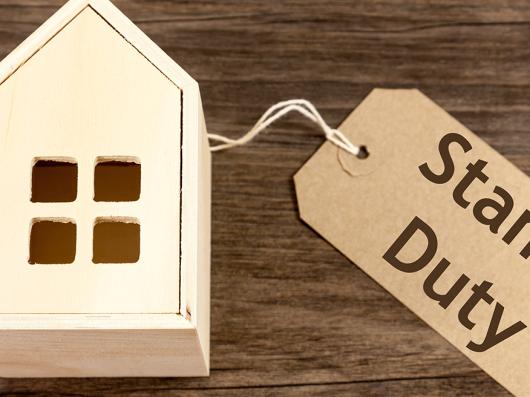
In an effort to get the housing market going during the coronavirus pandemic, the Chancellor of the Exchequer Rishi Sunak announced a temporary change to stamp duty, the tax you pay when purchasing a home. From now until the 31 March 2021, home buyers in England and Northern Ireland won't have to pay stamp duty when buying homes costing up to £500,000. Usually, the threshold where you start paying stamp duty is £125,000 (£300,000 for first-time buyers).

First-time buyer demand surges but options are limited
The options for first-time buyers who do not have large deposits are diminishing because of the pandemic's impact. Although viewings and sales are now permitted, and there’s a stamp duty holiday on homes up to £500,000, the landscape is challenging for those trying to get on the property ladder without a big enough deposit.
Easing out of lockdown
Following months of lockdown and social distancing, large parts of England opened up on Saturday, 4th July. The easing of restrictions saw pubs, restaurants, cafés, hairdressers, barbers and hotels once again welcome customers through their doors, although they’ve been told to observe strict social distancing rules.